Trading Derivatives on Indices can be a valuable addition
to a trader’s toolkit, offering diversification, liquidity,
lower transaction costs, and access to the market
in a more time-efficient way
An index is essentially a measurement of the price performance of a particular group of shares from an exchange. Indices trading involves trading on the direction of that market by buying or selling derivatives based on the index.
Indices are calculated in two ways:
Indices trading refers to buying and selling financial instruments that track the performance of a group of stocks or other financial assets, rather than individual securities.
For example, by trading S&P 500 (US500) futures contracts, traders can trade on whether they believe the overall value of those companies will go up or down.


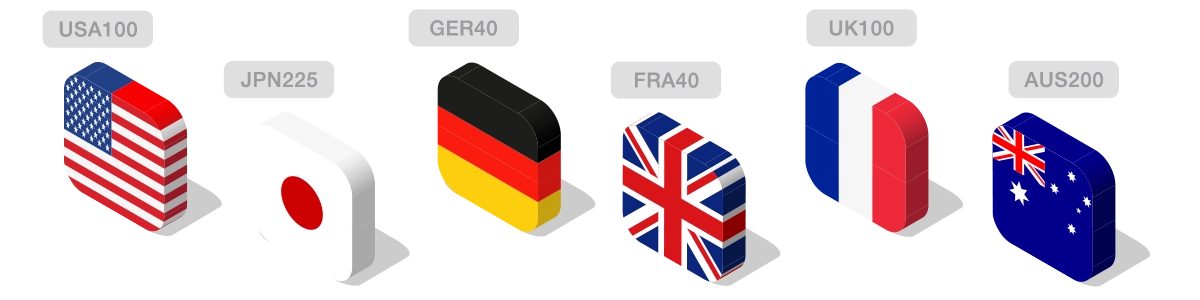
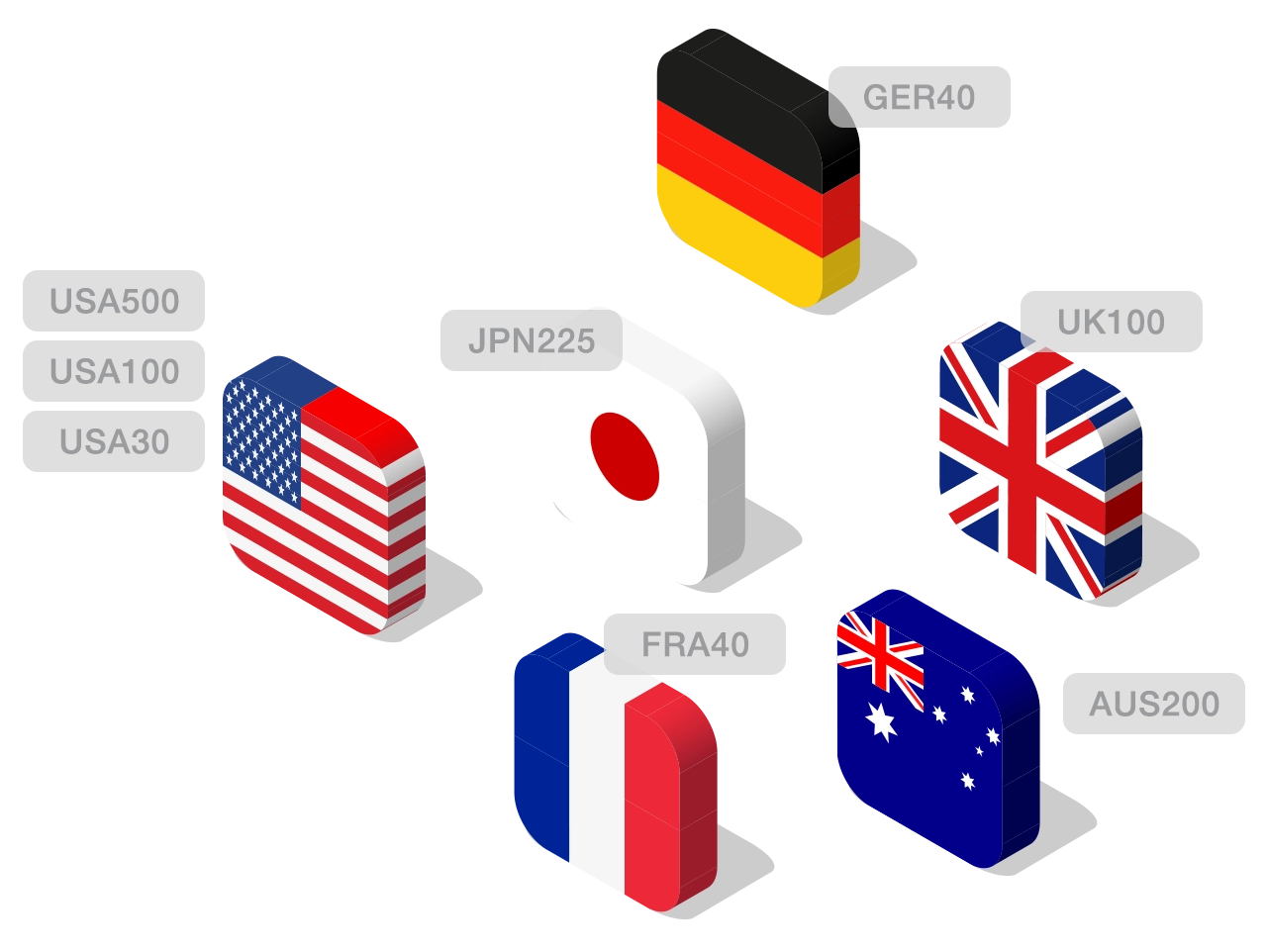
Trade with leverage: At HFM, you can trade CFDs on major global Indices, such as FTSE 100 (UK100) and DAX (GER40), with leverage up to 1:500.
Ultra-fast execution & Low margin requirements: Trade Indices with HFM with a maximum leverage of 1:500, low spreads, negative balance protection, ultra-fast execution and other award winning trading conditions.
Portfolio Diversification: Follow the world’s most popular Indices, such as the S&P500 and the Dow Jones Industrial Average (US30) to gain a more diversified portfolio and balanced exposure to the market they represent and benefit from overall market trends, rather than relying on the performance of individual CFD stocks.
Exposure to an entire sector at once: Indices represent an entire market or industry and measure the overall performance of all stocks included within the index. By taking a position on an index, traders trade on how a notable event will impact a wide cross-section of the most important stocks in an economy or sector.
Buy & Sell - Trade on both rising and falling prices: Traders can buy (go long) if they believe the index’s value will increase, or sell (go short) if they believe its value will fall. It is important to note that trading in Indices can be complex, and investors should carefully consider their investment objectives, risk tolerance, and financial situation before engaging in these types of trades.
There are several factors that can influence the value of the assets in an index and therefore impact the price of the index itself.
Some of these factors include:
Inflation, GDP growth, employment figures, and consumer spending can have a significant impact on the value of assets and the price of the index.
The financial health of companies, including earnings reports and financial metrics, directly impact stock prices.
Indices are affected by the performance of the sectors their components belong to, influenced by technological advancements, innovative business models, regulatory changes, and other factors.
Changes in interest rates can also impact the price of an index. Higher interest rates tend to make borrowing more expensive and can reduce corporate earnings, which can lead to a decline in the index price.

Events like elections, wars, disputes, and trade agreements can impact Indices. For example, regulatory crackdowns on specific industries or geopolitical tensions can affect the stock prices of companies within the index.
Finally, investor sentiment (optimistic or pessimistic) can also play a role in the price of an index. If the majority of market participants believe the market will rise, they may buy more stocks, pushing index prices higher. Conversely, if sentiment turns negative, investors may sell off stocks, causing index prices to fall.
Learn how to trade Indices with HFM. There are many reasons the Indices market is so popular; there is a huge number of Indices to choose from, it is a huge market that works 24 hours a day, 5 days a week, and being able to trade online has made the market accessible to more people than ever before.
Trade popular Indices as derivatives without owning the underlying asset, with 24/5 trading, low margin requirements, and the ability to trade on both rising and falling prices. In HFM Indices are available for spot trading and futures trading.
The HFM Education Centre is filled with educational resources to help you learn the basic concepts and strategies you will need to get started trading so you can make a dynamic entry into the market.
Before you trade you need to follow a few steps. Open a live trading account and start stocks trading in less than 2 minutes:

Register with HFM by completing a simple online form and providing your profile information.
Fund your trading account using any one of our fast, simple and secure methods.
That’s it! You can access all asset classes and start indices trading.
The best time to trade Indices depends on your trading strategy. Some traders look to embrace volatility and make the most of strong moves in the markets. Others prefer much more stable markets where risk is less apparent, and they can make the most of smaller market moves.
There are also other factors like liquidity and correlation with other markets to consider when trying to identify the optimum time to trade your index market.
Here are some of the most popular times that traders choose to enter and exit Indices markets:

Earnings reports, new product launches, target failures, or demise of a key figure can all result in fluctuations in both demand and Indices prices.
Indices are traded the most during the overlap of the US and London sessions (14:30-16:30 GMT), since this is when there is the heaviest volume of trading and high volatility.
As the London/European session is the biggest of the three trading sessions, the start or end of this session is often the best time for making trading decisions, as markets stabilize after market open noise and market trends are established by the end of the day, when institutional investors are the most active.
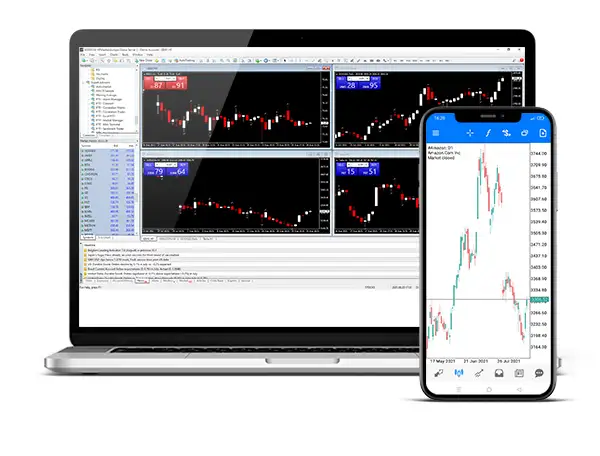
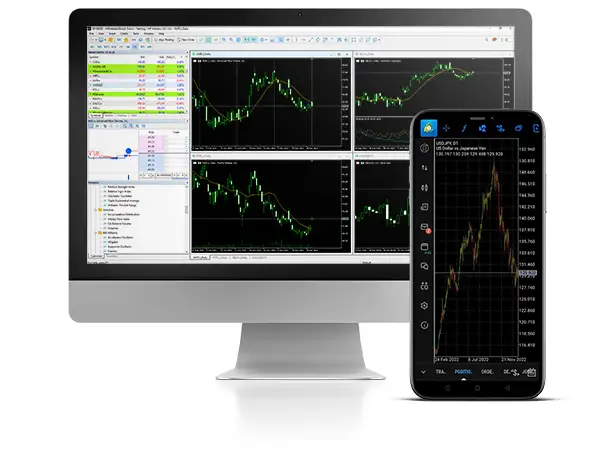
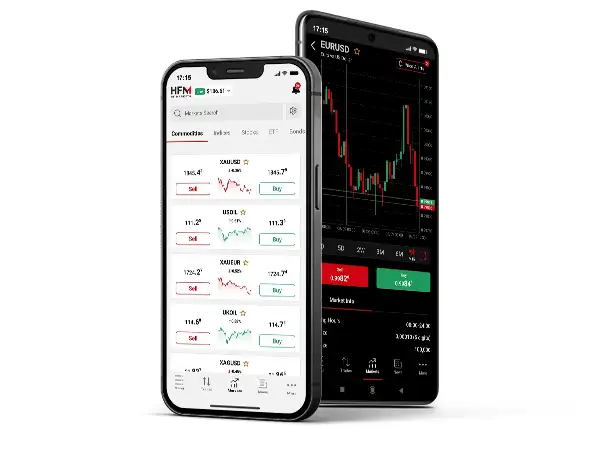
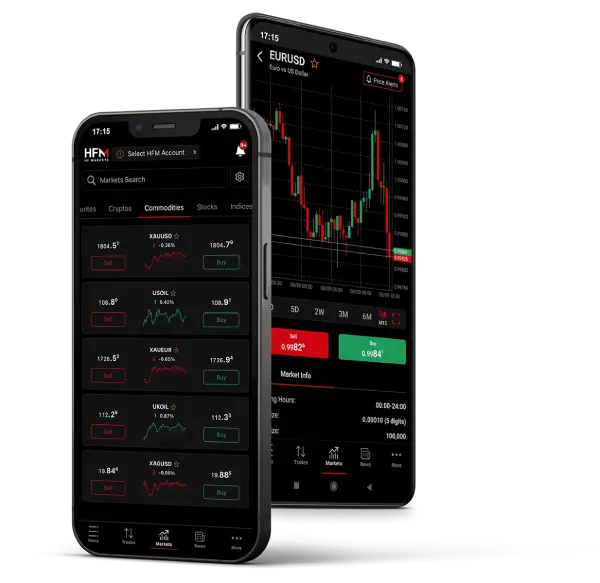
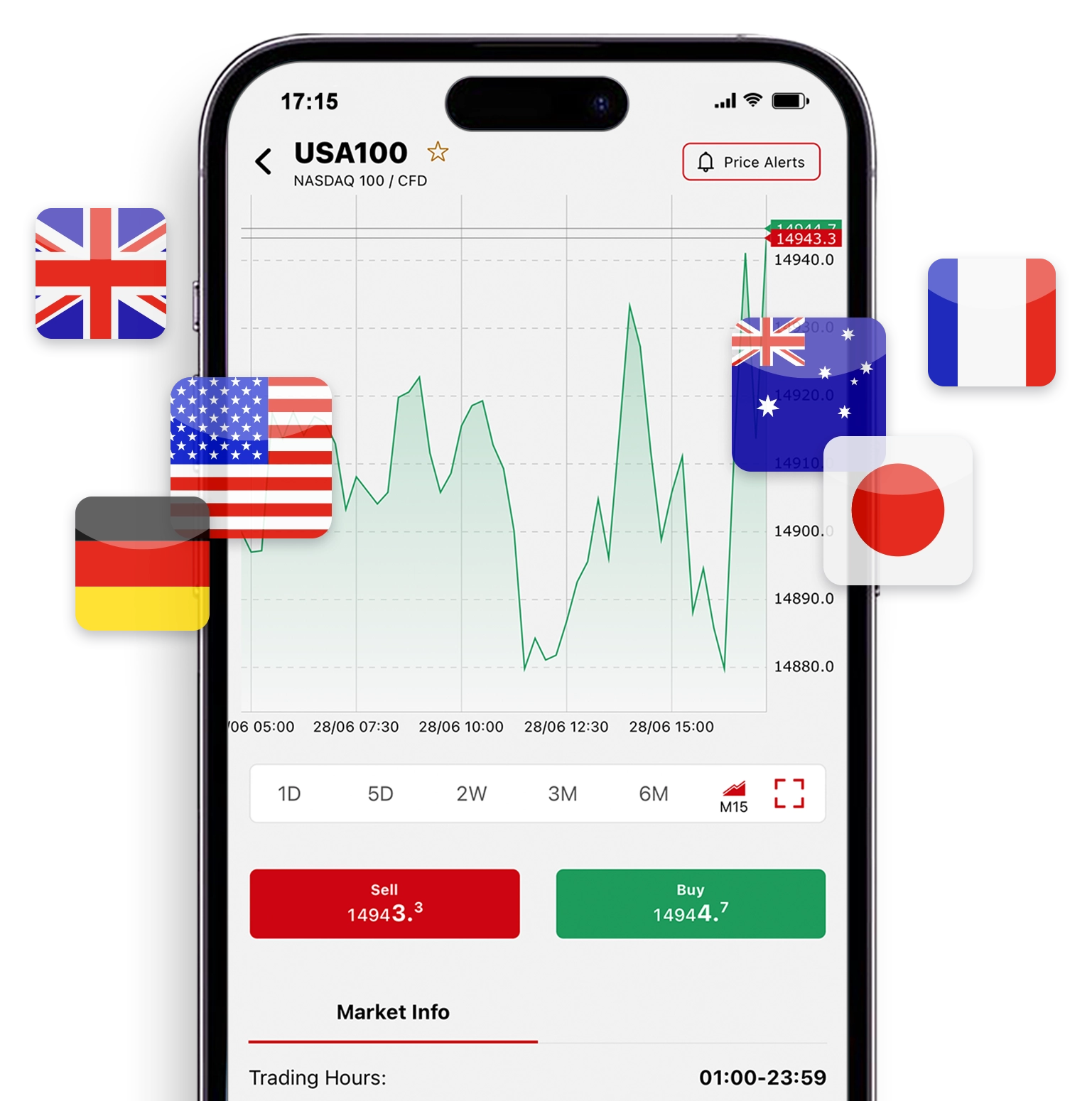
Indices can be traded on all our platforms! Trade CFD Indices on our MetaTrader 4 and MetaTrader 5 platforms, and the HFM Platform on the HFM App. These popular and powerful platforms ensure that every trader can trade in their preferred style, in their favourite location and on the device of their choice.
You can start Indices trading with HFM in less than 2 minutes! Open a live trading account by completing a simple online form and providing your profile information, fund your trading account using any one of our fast, simple and secure methods, and access any of our many asset classes to get started!
HFM offers account types with no minimum deposit. We also offer a maximum leverage of 1:500 on our Indices as well as low spreads, negative balance protection and ultra-fast execution. Please check our Trading Accounts Page for more information.
The best time to trade Indices depends on your trading strategy. Some traders look to embrace volatility and make the most of strong moves in the markets. Others prefer much more stable markets where risk is less apparent, and they can make the most of smaller market moves.
There are also other factors like liquidity and correlation with other markets to consider when trying to identify the optimum time to trade your index market.
Indices can be traded on all our platforms! Trade CFD Indices on our MetaTrader 4 and MetaTrader 5 platforms, and the HFM Platform on the HFM App. These popular and powerful platforms ensure that every trader can trade in their preferred style, in their favourite location and on the device of their choice.
The most traded Indices in the world are:
These Indices are popular with investors because they provide a broad representation of the stock market and can be used to track the performance of different sectors and industries.